
 Nederlands
 English
 Français
 Deutsch
 Ελληνικά
 Italiano
 Português
 Русский
 Español
 Türkçe
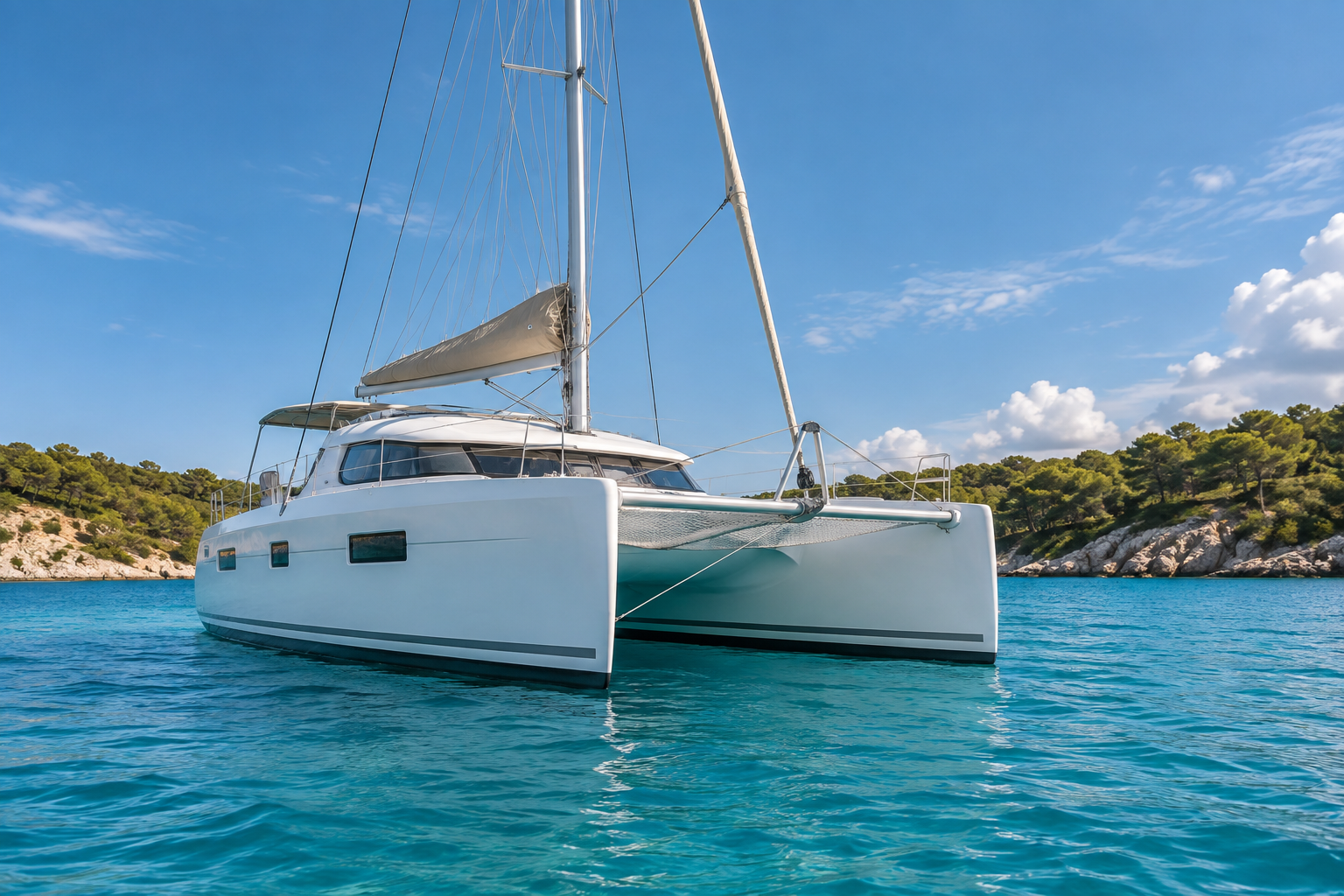
If you keep your boat outside Europe and you are looking for a registration flag that is recognised, straightforward and not tied to a single region, San Marino is worth understanding. It is a small inland state, but its shipping register is used by owners around the world, and the registration itself does not change depending on where you live or where you sail.
This article explains who can register, what documents are needed, what it costs, how long it takes, and the mistakes that catch owners out. It is written for boat owners, not lawyers, so we keep the language plain and focus on what actually matters in practice.
What San Marino Registration Actually Is
San Marino registration means your yacht is entered in the San Marino shipping register and sails under the San Marino flag. You receive a registration document (the Registratiebewijs) that proves the vessel’s flag and identity. For private use, that document is valid for life, which means you are not renewing it every year.
What does this mean for you? In simple terms, your boat gets a recognised flag and a set of papers that authorities, marinas and insurers can work with. It is not a licence to go anywhere you like without questions, and it is not a tax strategy. It is a registration.
Why is this important? Because the flag your boat flies affects how it is treated at customs, in marinas and by insurers. Choosing a flag that is stable, recognised and administratively simple removes a lot of friction from owning and cruising a boat abroad.
Can You Register If You Live Outside Europe?
Yes. This is the key point for non-European owners: the San Marino registration process is the same whether you live in Europe or on the other side of the world. There is no separate “outside Europe” procedure, no extra track and no different document set.
Your location and your intended cruising area do not change how the registration is handled. What they can change is how individual countries treat your vessel when you arrive, which we cover further below.
One practical element to understand is the San Marino Resident Agent. San Marino registration requires a resident agent to act as the local point of contact for the vessel. This is included in the packages described below, so you do not need to find and appoint an agent yourself.
Documents You Will Need
The dossier is the same for owners everywhere. In most cases you will be asked for:
- Bill of sale – proof that you own the vessel, or the document showing how ownership passed to you.
- Proof of identity – typically a passport or similar official identification for the owner or owners.
- Vessel specifications – details of the boat: type, length, build, hull identification and similar technical information.
- Deletion certificate – required if the vessel was previously registered under another flag, confirming it has been removed from that register.
If any of these are missing or inconsistent, the process slows down. The most common delay we see is a deletion certificate that has not yet been issued by the previous registry, or a bill of sale where the names do not match the identity documents exactly.
Costs: What You Should Expect to Pay
Pricing depends on the length of your boat and whether it is used privately or commercially. The figures below are starting prices, excluding VAT, and they include the core documents and the San Marino Resident Agent.
- Boats from 1 m up to (but not including) 10 m, private use: from €1,540 excl. VAT. This includes the Registratiebewijs, valid for life, and the San Marino Resident Agent.
- Boats from 10 m up to (but not including) 24 m, private use: from €2,640 excl. VAT. This includes the Registratiebewijs valid for life, the MMSI Radio License, the Safety Certificate and the San Marino Resident Agent.
- Boats from 1 m up to (but not including) 24 m, commercial use: from €3,450 excl. VAT. This includes the Commercieel Registratiebewijs, the MMSI Radio License, the Safety Certificate, the San Marino Resident Agent and the Minimum Safe Manning Document.
- Boats from 24 m, private use: from €6,440 excl. VAT. This includes the Registratiebewijs valid for life, the MMSI Radio License, the Safety Certificate, the Tonnage Certificate and the San Marino Resident Agent.
These are the only San Marino registration packages we arrange. If your boat falls outside these length and use categories, this option does not apply to it, and we will not quote one of these prices for a vessel it does not cover. In that situation, the honest answer is that San Marino registration through us is not the right route, and we would rather tell you that early than take a file we cannot complete.
Also budget for costs that sit outside the registration fee itself: survey or tonnage work where required, translation or notarisation of documents, courier costs, and any local agent fees in the country where the boat is kept.
How Long It Takes
Once a complete dossier is submitted, registration takes approximately two working days. That is genuinely fast by international standards, and it is one of the reasons owners outside Europe look at San Marino in the first place.
The important word is “complete”. The two working days start when the file is in order, not when you first make contact. Gathering the bill of sale, identity documents, specifications and deletion certificate is usually the longest part of the process, and it is entirely in your hands. If you are buying a boat that is currently registered elsewhere, start the deletion process early.

The Mistake That Causes the Most Trouble
The single most common misunderstanding is this: owners assume that San Marino registration gives them automatic access to ports and marinas worldwide. It does not.
Registration proves your vessel’s flag and identity. It does not replace the entry rules of the country you are sailing into. Those rules are set locally and can include customs formalities, cruising permits, temporary importation rules, visa requirements for crew and passengers, and marina-specific paperwork. A San Marino flag does not exempt you from any of it.
Put simply: flag state obligations and destination country entry requirements are two different things. Your registration deals with the first. The second is a matter for the authorities where you arrive, and it varies enormously from one jurisdiction to the next.
Other mistakes we see regularly:
- Assuming worldwide acceptance. How non-European authorities treat a San Marino-flagged vessel varies by jurisdiction. Some are entirely comfortable with it; others apply additional scrutiny or specific conditions. We cannot promise uniform acceptance anywhere, and neither can anyone else.
- Ignoring insurance territorial limits. Many policies define exactly where the vessel is covered. If you cruise outside those limits without telling your insurer, you may find yourself uninsured at the worst possible moment. Check your policy against your actual cruising plans before you leave, not after.
- Leaving paperwork until arrival. Turning up in a new country with documents that are incomplete, expired or only in a language the local authority cannot read creates avoidable delays.
- Confusing registration with tax or residency advice. Registration is not a tax position, and it does not determine where you owe tax. That is a separate question for a qualified adviser in your own country.
A Realistic Example
An owner based in Southeast Asia buys a 14-metre motor yacht that was previously registered in another flag state. He plans to cruise regionally and occasionally move between countries.
He falls into the 10 m to 24 m private use category, so registration starts from €2,640 excl. VAT and includes the Registratiebewijs valid for life, the MMSI Radio License, the Safety Certificate and the San Marino Resident Agent. He requests the deletion certificate from the previous registry on day one, because that is the item most likely to hold things up. Once the full dossier is in, registration takes roughly two working days.
Before his first foreign port, he checks two things: the entry requirements of that country, and whether his insurance policy covers the area he intends to cruise. The registration handles his flag. Those two checks handle everything else.
What to Do Next
Before you commit, work through this short list:
- Confirm your boat’s length and whether it will be used privately or commercially, so you know which package applies.
- Check whether a deletion certificate is needed and start that request now if it is.
- Gather your bill of sale, identity documents and vessel specifications in one place.
- Write down your intended cruising area, because it affects both insurance and local entry requirements.
- Read your insurance policy’s territorial limits and compare them with your plans.
Then get a case-specific assessment. The registration process itself is the same for everyone, but the practical picture around it, your cruising area, your operational profile and the countries you intend to visit, is not. That is where a short conversation saves a lot of time later.
Conclusion
San Marino registration is a practical, well-established option for yacht owners outside Europe. It does not depend on where you live, the document set is the same worldwide, and once your dossier is complete the registration takes approximately two working days. For private boats under 24 metres, the Registratiebewijs is valid for life, and the San Marino Resident Agent is included in the package.
The part that requires your attention is everything around the flag: local entry rules, cruising permits and insurance territorial limits. Get those right and the registration does exactly what you need it to do. Get them wrong and no flag will help.
BlueWater Registration Services can assist with further guidance, including a case-specific assessment based on your intended cruising area and how you plan to use the vessel. If you would like to know whether San Marino registration fits your boat, complete the contact form and we will take it from there.